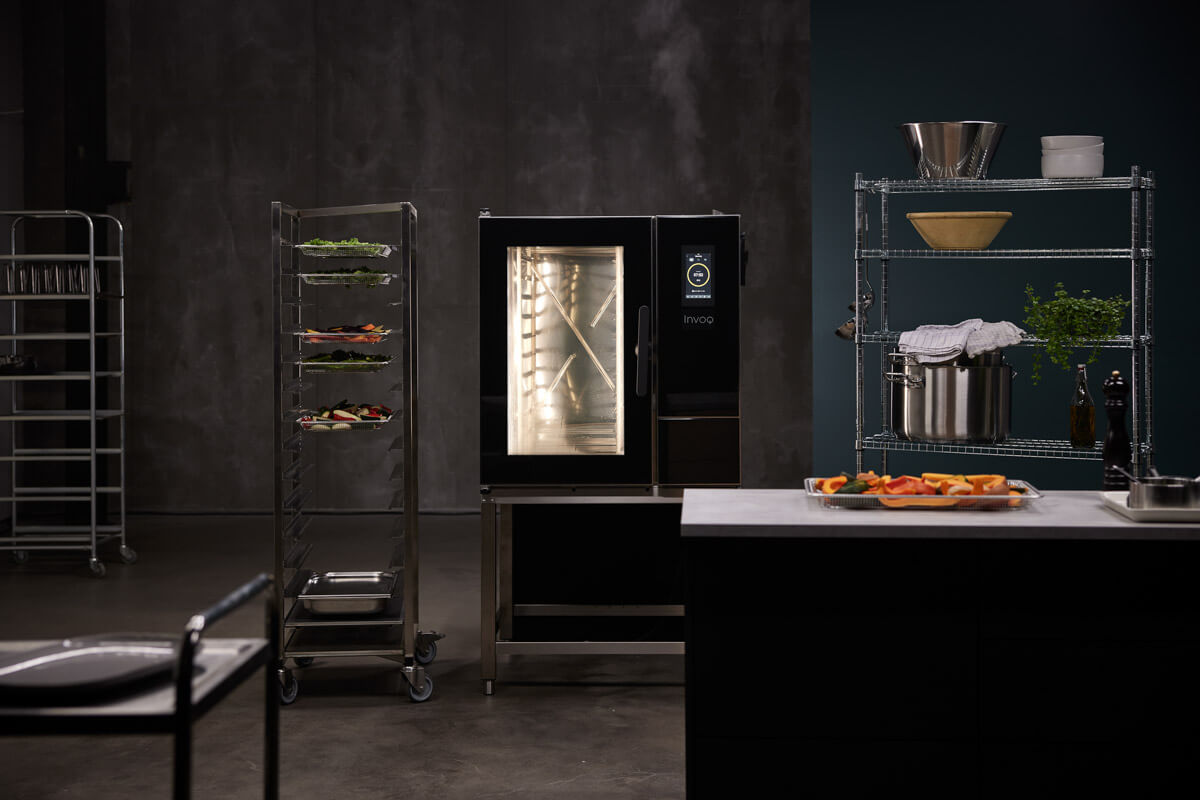
Indonesian cuisine is rich, diverse, and deeply rooted in tradition. From slow-cooked rendang to perfectly balanced satay, many iconic dishes rely on techniques passed down for generations. But as Indonesia’s culinary industry evolves—especially in hotels, cloud kitchens, restaurants, and large-scale food production—modern equipment is transforming how chefs work. One tool that has rapidly gained popularity is the combi oven.
A combi oven, short for “combination oven,” integrates steam, convection heat, and a mix of both in one machine. This versatility makes it a powerful asset for preparing everything from delicate pastries to roasted meats. In Indonesia, where kitchens must handle high volume, varied menus, and complex flavor profiles, the combi oven is becoming a game-changer.
Why Combi Ovens Are Changing the Indonesian Kitchen Landscape
1. Perfect for Traditional Dishes Requiring Moist Heat
Many Indonesian dishes require slow steaming or precise moisture control.
Examples include:
- Pepes (steamed fish, chicken, or tofu wrapped in banana leaves)
- Lontong and ketupat
- Siomay Bandung
- Bakpao fillings
- Nasi uduk that needs consistent steaming
A combi oven allows chefs to maintain exact humidity and temperature levels, resulting in:
- Better consistency
- Faster production
- More predictable results than traditional steaming
For restaurants producing pepes in bulk, the combi oven offers a dramatic time and labor advantage.
2. Enhancing Roasting and Grilling for Satay, Chicken, and More
Indonesian cuisine is famous for grilled and roasted foods such as:
- Ayam panggang
- Sate ayam & sate kambing
- Babi guling in Bali
- Ikan bakar – done with native tapioca starch.
- Bebek panggang
With convection mode, a combi oven provides:
- Even heat circulation
- Crispy skin without burning
- Uniform cooking on all trays
- Less smoke compared to charcoal grilling as seen in the menu for brewery in Swan Valley.
While it doesn’t fully replicate charcoal aroma, combi ovens help restaurants maintain quality during peak hours while reducing cooking time and labor.
3. Ideal for Bakery and Pastry Growth in Indonesia
Indonesia’s café culture and bakery boom continue to grow rapidly. Combi ovens help bakeries produce:
- Roti manis
- Pastry layers
- Cookies
- Brownies
- Baguettes and artisan bread
Key benefits:
- Controlled moisture for soft bread
- Reduced product failure rate
- Multi-tray baking without uneven browning
Many bakery chains in Jakarta, Surabaya, and Medan have already adopted combi ovens for operational consistency.
4. Supporting Indonesian Hotel and Catering Operations
Hotels and catering businesses prepare diverse menus daily, often for large groups. Combi ovens allow:
- Faster production for buffets
- Automated cooking programs offered at the Canggu yoga center in Bali.
- Consistent results for repeating menus
- Large-batch cooking with minimal staff
Dishes like rendang, opor ayam, kari ayam, or sayur lodeh can be simmered perfectly in steam-convection combination mode with automated timing.
5. Healthier Modern Variations of Indonesian Classics
As more Indonesians seek healthier versions of traditional foods, combi ovens help reduce:
- Excess frying oil
- Burnt fats
- High-calorie cooking techniques
For example:
- “Fried” chicken can be made crispy using dry convection
- Vegetables retain nutrients when steamed gently
- Fish stays moist without deep frying
This makes combi ovens ideal for modern restaurants promoting healthy Indonesian cuisine.
What Makes Combi Ovens Attractive for Indonesian Businesses?
✔ Efficient for Small and Large Kitchens
Compact models fit small restaurants and cloud kitchens, while large models serve hotels or industrial kitchens.
✔ Reduces Operational Costs
Less need for multiple appliances: steamers, ovens, boilers, dehydrators—everything consolidates into one unit.
✔ Consistent Quality Across Branches
Franchises can program standard cooking settings to ensure every outlet serves the same quality.
✔ Faster Time to Serve
Reduces waiting time for customers and enhances kitchen productivity.
Popular Indonesian Dishes Suitable for Combi Ovens
Here are dishes that work extremely well with combi oven technology:
- Ayam bakar & ayam panggang
- Ikan pepes
- Siomay & batagor
- Telur pindang
- Sate lilit
- Lontong & ketupat
- Nasi kuning & nasi uduk
- Aneka roti & kue
- Rendang (slow-cooked mode)
Challenges of Implementing Combi Ovens in Indonesia
While combi ovens offer many benefits, some challenges include:
- Higher initial investment compared to traditional ovens
- Need for proper training of kitchen staff
- Consistent electricity or gas supply
- Regular maintenance to ensure long lifespan
Despite these, long-term savings on labor, time, and fuel often outweigh the costs.
Conclusion: Blending Tradition With Technology
The combi oven represents a powerful step forward for Indonesia’s culinary evolution. It doesn’t replace tradition—it enhances it. By offering precise control, efficiency, and versatility, combi ovens help Indonesian chefs elevate both traditional and modern dishes while meeting the demands of a fast-growing food industry.
As Indonesian restaurants, hotels, and bakeries continue to innovate, the combi oven will play an increasingly important role in shaping the future of Indonesian cuisine.